

Syria Income Tax Law 2025: A Comprehensive Tax Reform to Support Investment and Economic Growth
The Syria Income Tax Law aims to enhance economic growth through effective tax reforms.
Introduction
Understanding the Syria Income Tax Law is crucial for businesses looking to thrive in the region.
Compliance with the Syria Income Tax Law will be key to ensuring smooth operations for companies.
The Syria Income Tax Law presents opportunities for innovative investment strategies.
With the Syria Income Tax Law, businesses can expect a more favorable tax climate.
The Syria Income Tax Law aims to facilitate greater economic engagement.
The focus on the Syria Income Tax Law will help in attracting foreign investment.
As part of Syria’s broader economic reform efforts and its commitment to improving the business environment, the new Income Tax Law of 2025 has entered into force, marking one of the most significant fiscal reforms in recent years.
Investors should closely monitor the developments in Syria Income Tax Law.
The Syria Income Tax Law simplifies compliance processes for businesses.
Adapting to the Syria Income Tax Law will enhance operational efficiency.
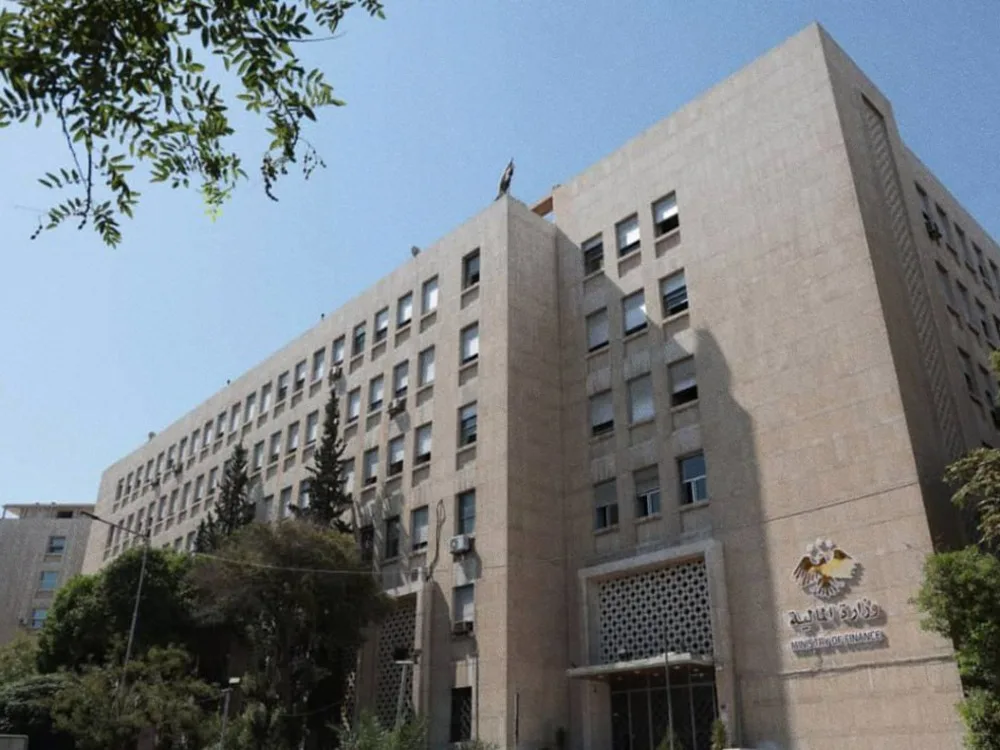
The new legislation from Syrian financial ministry introduces a modernized tax framework designed to simplify taxation, reduce administrative burdens, support productive sectors, and enhance transparency through digital transformation. It replaces the fragmented tax structure that existed under previous regulations and aims to create a more predictable and investor-friendly economic environment.
For businesses, entrepreneurs, and investors, the law represents an important step toward strengthening economic competitiveness and supporting Syria’s long-term recovery and development agenda.
Understanding the nuances of the Syria Income Tax Law can lead to better compliance.
Why Is the New Income Tax Law Important?
The new law seeks to address longstanding challenges within the tax system while supporting economic growth and private sector development.
Mastering the Syria Income Tax Law is essential for strategic planning.
The Syria Income Tax Law plays a pivotal role in shaping the economic landscape.
Implementing the Syria Income Tax Law effectively will benefit various sectors.
The Syria Income Tax Law is crucial for sustainable economic recovery.
Its key objectives include:
The implications of the Syria Income Tax Law are far-reaching for local businesses.
- Reducing the tax burden on individuals and businesses.
- Simplifying tax administration and compliance procedures.
- Supporting productive and strategic economic sectors.
- Encouraging investment and entrepreneurship.
- Enhancing transparency and accountability.
- Expanding the use of digital tax systems.
- Improving the overall investment climate in Syria.
By introducing a clearer and more streamlined tax structure, the law aims to strengthen confidence among local and international investors.
Engaging with the Syria Income Tax Law will yield greater financial clarity.
Significant Tax Exemptions for Individuals
One of the most notable reforms introduced by the new law is the substantial increase in personal income tax exemptions, aimed at improving disposable income and supporting household purchasing power.
Key Benefits
- Annual net income below SYP 60 million is fully exempt from income tax.
- A tax rate of 6% applies to the first taxable bracket above the exemption threshold.
- A tax rate of 8% applies to higher taxable income brackets.
- Eligible taxpayers can deduct specific expenses from their taxable income.
Deductible Expenses
The law allows deductions for a range of essential expenditures, including:
- Education expenses.
- Healthcare costs.
- Housing rental expenses.
- Loan interest payments.
- Dependents, including spouses and children.
These measures are intended to create a fairer and more socially balanced tax system.
Unified Corporate Tax Structure
The new legislation introduces a simplified and unified approach to corporate taxation, while providing preferential treatment to sectors considered essential for economic development.
The Syria Income Tax Law aims to create a fair tax system for all.
Fully Exempt Activities (0%)
Several sectors and income sources benefit from full tax exemption, including:
- Agricultural activities.
- Bank deposit returns.
- Stock and securities trading.
Strategic Sectors Taxed at 10%
A reduced tax rate of 10% applies to sectors that play a critical role in economic growth and social development, including:
- Manufacturing and industry.
- Healthcare services.
- Education.
- Technology and digital transformation.
- Aviation.
- Training and professional development.
General Business Activities Taxed at 15%
Most other sectors fall under the standard corporate tax rate of 15%, including:
- Trade and commerce.
- Professional services.
- General business activities.
- Various investment-related operations.
Non-Resident Transactions
The law also introduces a 2% tax rate on certain supplies and transactions involving non-resident entities, contributing to a more structured framework for cross-border economic activity.
Simplification of Tax Charges and Fees
A major objective of the reform is reducing complexity within the tax system.
Previously, taxpayers faced multiple supplementary charges and fees that increased compliance costs and administrative burdens.
Success in business will increasingly depend on adherence to the Syria Income Tax Law.
Under the new framework:
- Several overlapping fees and contributions have been consolidated.
- The 10% National Contribution for Reconstruction has been abolished.
- Tax calculations and payment obligations have become more transparent and easier to understand.
These changes are expected to improve financial planning and operational efficiency for businesses operating in Syria.
Digital Transformation and Tax Governance
Digitalization forms a central pillar of the new tax reform agenda.
The government aims to create a more efficient, transparent, and technology-driven tax administration system through several initiatives.
Key Digital Measures
- Electronic invoicing systems.
- QR code-enabled tax documentation.
- Integration with banking systems.
- Digital tax declaration and payment procedures.
Enhancing Taxpayer Rights
The law also introduces measures designed to improve fairness and accountability, including:
- Strengthening taxpayer protections.
- Shifting the burden of proof toward tax authorities in specific cases.
- Providing access to specialized tax courts and dispute resolution mechanisms.
These reforms aim to build greater trust between taxpayers and government institutions.
Penalty and Interest Exemptions
Alongside the introduction of the new tax framework, additional measures have been announced to encourage taxpayers to regularize their financial obligations.
These include:
- Exemptions of up to 100% on tax penalties, fines, and interest charges.
- Coverage of liabilities relating to tax years up to 2024.
- Incentives for taxpayers to settle outstanding obligations within specified periods.
Such measures provide businesses and individuals with an opportunity to start operating under the new system with greater financial clarity.
What Does the New Law Mean for Investors?
From an investment perspective, the new Income Tax Law sends several positive signals to the market.
Potential benefits include:
- Lower tax burdens for productive sectors.
- Greater predictability of operating costs.
- Increased transparency and regulatory clarity.
- Improved digital infrastructure for tax administration.
- Enhanced support for industry, healthcare, education, and technology.
- A more competitive and investment-friendly business environment.
These reforms complement broader efforts aimed at attracting local and international capital while supporting economic recovery and sustainable development across Syria.
Conclusion
The Syria Income Tax Law 2025 represents a significant milestone in the country’s economic reform journey. By reducing tax burdens, simplifying procedures, supporting strategic sectors, and embracing digital transformation, the legislation establishes a more modern and transparent tax framework.
For investors, entrepreneurs, and business leaders, understanding the opportunities and implications of these reforms will be essential for making informed decisions and positioning themselves within Syria’s evolving economic landscape.
As Syria continues to pursue economic recovery and private sector growth, the new tax system is expected to play an important role in fostering investment, encouraging entrepreneurship, and strengthening long-term economic competitiveness.
It is essential to grasp the implications of the Syria Income Tax Law for strategic growth.
The evolution of the Syria Income Tax Law reflects broader economic trends.
Investors must stay informed about updates to the Syria Income Tax Law.